
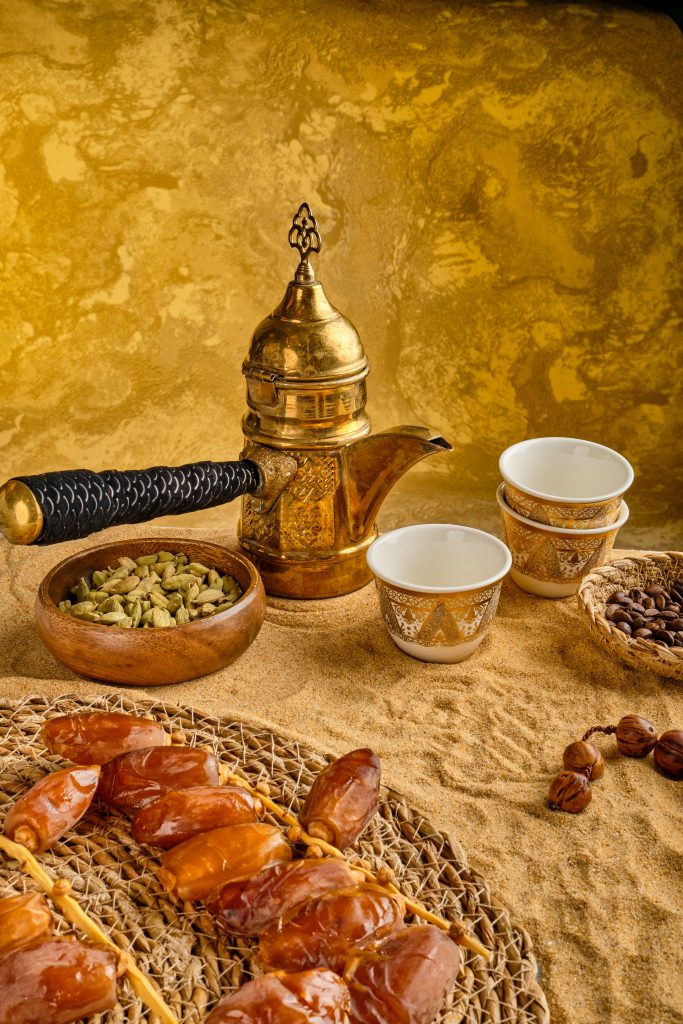
Arabic coffee transforms ordinary gatherings into timeless moments filled with hospitality.
Rooted in centuries of Middle Eastern tradition, every aromatic cup invites conversation, warmth, and meaningful family connections together.
From the rich scent of cardamom to the comforting ritual of slow pouring, Arabic Middle Eastern coffee represents far more than a beverage — it reflects generosity, culture, and authentic hospitality, perfectly complementing the flavors of halal Middle Eastern dining and artisan desserts shared around the table.
More Than Just a Drink
Arabic coffee is not simply about caffeine or morning routines — it’s a symbol of hospitality, tradition, and connection that has been part of Middle Eastern culture for centuries. Across homes, cafés, and family gatherings, coffee is often the very first thing offered to guests. The aroma alone carries a sense of warmth, generosity, and welcome that instantly makes people feel at home.
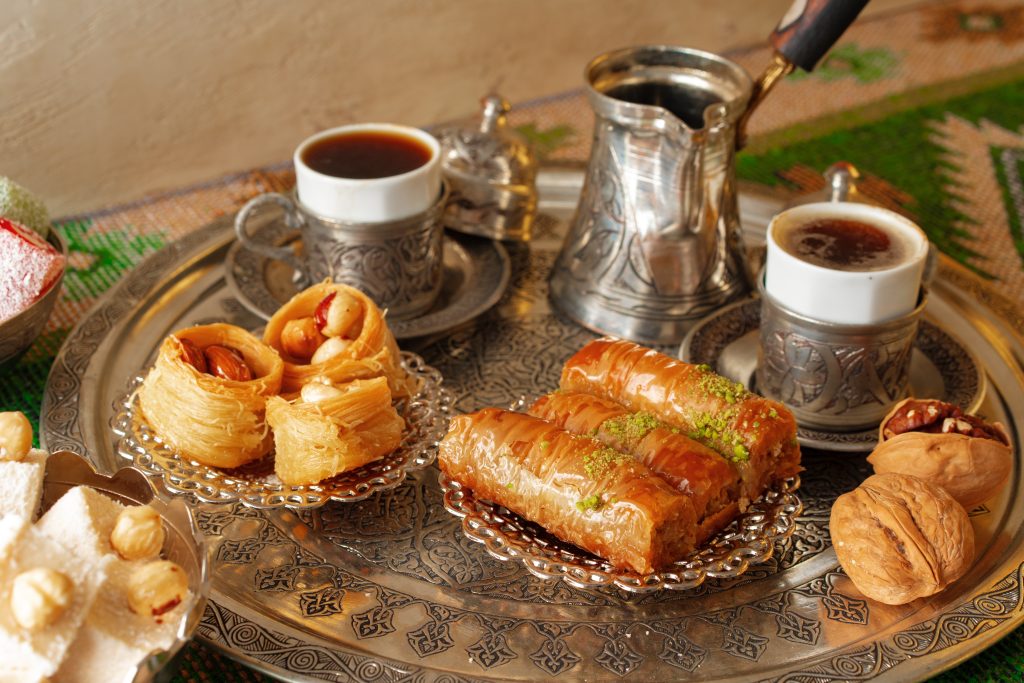
In many Middle Eastern households, preparing coffee is treated almost like an art form. The slow brewing process, the careful choice of spices, and the elegant serving rituals all reflect the importance of sharing moments together. At Ottawa Kabab, this same spirit of hospitality shines through every cup served alongside rich desserts like kunafa or flaky baklava, creating a truly authentic Middle Eastern dining experience.
The Rich History Behind Arabic Coffee
Arabic coffee has deep roots tracing back hundreds of years throughout the Arabian Peninsula and the Levant. Historically, coffee gatherings became important social spaces where families, travelers, and communities exchanged stories, celebrated milestones, and welcomed visitors. Over time, coffee evolved into a cultural tradition closely tied to respect and generosity.
Unlike fast grab-and-go coffee culture, Middle Eastern coffee traditions encourage people to slow down and enjoy conversation. Whether shared after a hearty halal meal or during family celebrations, coffee often represents togetherness more than convenience. This timeless ritual continues to thrive today, especially in restaurants that celebrate authentic Levantine and Mediterranean cuisine.
What Makes the Flavor Unique?
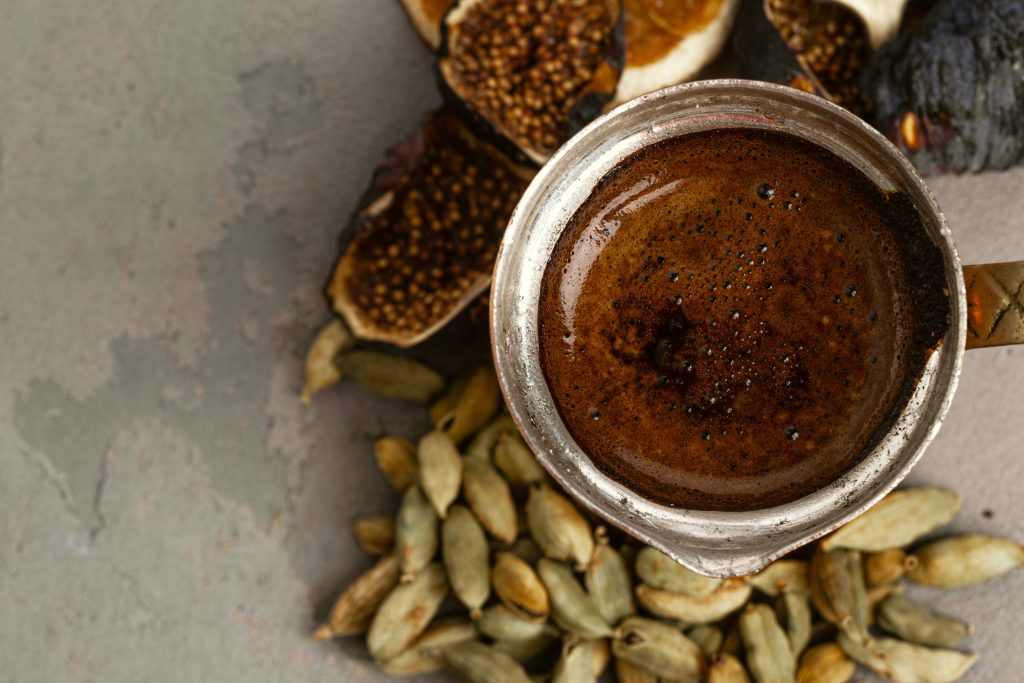
One of the biggest reasons Arabic coffee stands out is its flavor profile. It’s lighter in color than many Western coffees, but incredibly aromatic and layered with spices. Cardamom is the signature ingredient, giving the coffee its warm, slightly citrusy aroma. Some variations may also include cloves, saffron, cinnamon, or rose water depending on the region.
The result is a drink that feels both comforting and sophisticated. Instead of overpowering bitterness, Arabic coffee offers earthy, spiced notes that pair beautifully with Middle Eastern desserts and savory dishes.
Popular flavor characteristics include:
- Cardamom-forward aroma
- Smooth, lightly roasted beans
- Subtle spice blends
- Less acidity than dark roast coffee
- A clean, lingering finish
Served with sweets like baklava or dates, the balance becomes even more memorable. The sweetness complements the spice, creating a combination deeply connected to Middle Eastern hospitality traditions.
The Ritual of Serving Coffee
Part of what makes Arabic coffee special is how it’s served. Traditionally, the coffee is poured from a decorative pot called a dallah into small handleless cups. Guests are typically served small amounts at a time, encouraging slow sipping and conversation rather than rushing through the experience.
In many cultures, serving coffee is considered a sign of respect. Refilling a guest’s cup symbolizes generosity and care, while gatherings centered around coffee strengthen social bonds between family and friends.
At family-friendly restaurants like Ottawa Kabab, these traditions naturally blend into the dining atmosphere. Sharing coffee after enjoying mix grills, lamb shanks, or mezze platters helps recreate the feeling of a true Middle Eastern gathering where food and hospitality go hand in hand.
Why Arabic Coffee Pairs Perfectly with Middle Eastern Desserts
Middle Eastern desserts are known for their rich textures, syrupy sweetness, and nutty flavors. Arabic coffee acts as the perfect companion because its warm spices and lighter roast balance these desserts beautifully.
Some classic pairings include:
- Kunafa with cardamom coffee
- Baklava with lightly spiced Arabic coffee
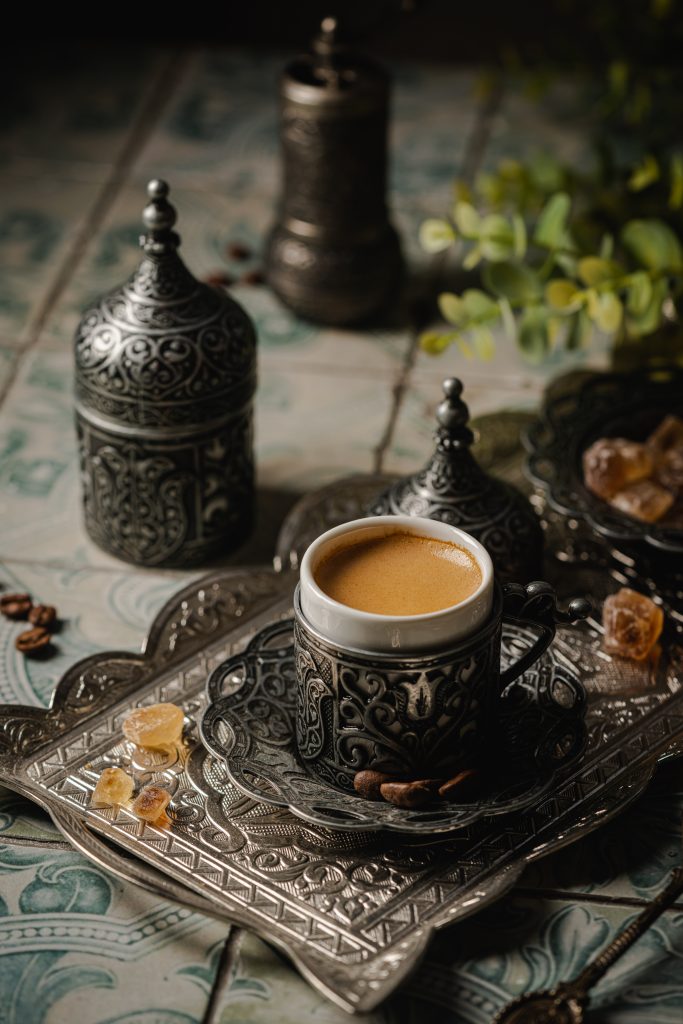
- Maamoul cookies alongside Turkish coffee
- Dates served with traditional coffee after meals
The contrast between sweet and spiced flavors creates a satisfying finish to any meal. This pairing tradition is especially common during Ramadan, weddings, holidays, and family celebrations throughout the Middle East.
A Cultural Experience in Every Cup
Today, Arabic coffee continues to grow in popularity beyond the Middle East as more people discover Levantine and Mediterranean cuisine. While modern cafés experiment with specialty drinks, traditional Arabic coffee remains timeless because it represents something deeper than trends — connection, generosity, and shared experiences.
For many guests visiting Ottawa Kabab, enjoying Arabic coffee becomes part of the full cultural experience. After a flavorful halal feast of grilled meats, hummus, and fresh bread, ending the meal with authentic coffee and artisan desserts creates a memorable experience rooted in tradition.
That’s what truly makes Arabic Middle Eastern coffee special: it turns an ordinary drink into a moment of hospitality, culture, and community that people remember long after the last sip.
Arabic Coffee Variations Across the Middle East
One of the most fascinating things about Arabic coffee is how every region brings its own traditions, flavors, and brewing techniques to the experience. From bold and intense cups in the Levant to the light golden brews of the Gulf, coffee remains deeply connected to hospitality, family gatherings, and Middle Eastern culture. Each variation reflects local customs while preserving the timeless ritual of welcoming guests with warmth and generosity.
In Syria and Lebanon, Arabic coffee closely resembles Turkish coffee, known for its bold flavor and rich texture. The beans are roasted darker and ground extremely fine before being slowly brewed into a thick, concentrated cup. This style of coffee is often served after meals alongside Middle Eastern desserts like baklava, maamoul, and kunafa.
What makes Levantine coffee unique is the generous use of cardamom. The spice adds warmth and fragrance while balancing the deep roasted flavor with subtle citrus notes. In many homes and halal Middle Eastern restaurants, this aromatic coffee encourages guests to slow down, enjoy conversation, and experience authentic Levantine hospitality.
In Gulf countries like Saudi Arabia, the United Arab Emirates, Qatar, and Kuwait, traditional Arabic coffee is commonly known as Qahwa or Gahwa. Unlike darker Levantine coffee, Qahwa uses lightly roasted or nearly unroasted coffee beans, giving the drink its famous golden color and delicate flavor. Cardamom remains essential, while saffron, cloves, and rose water are sometimes added for extra aroma and elegance.
Traditionally served from a decorative dallah pot into small finjan cups, Qahwa is one of the strongest symbols of hospitality across the Arabian Gulf. It is commonly paired with fresh dates during Ramadan, weddings, family gatherings, and social visits. The lighter roast allows the spices to shine, creating a smooth and comforting drink deeply rooted in Gulf culture and tradition.
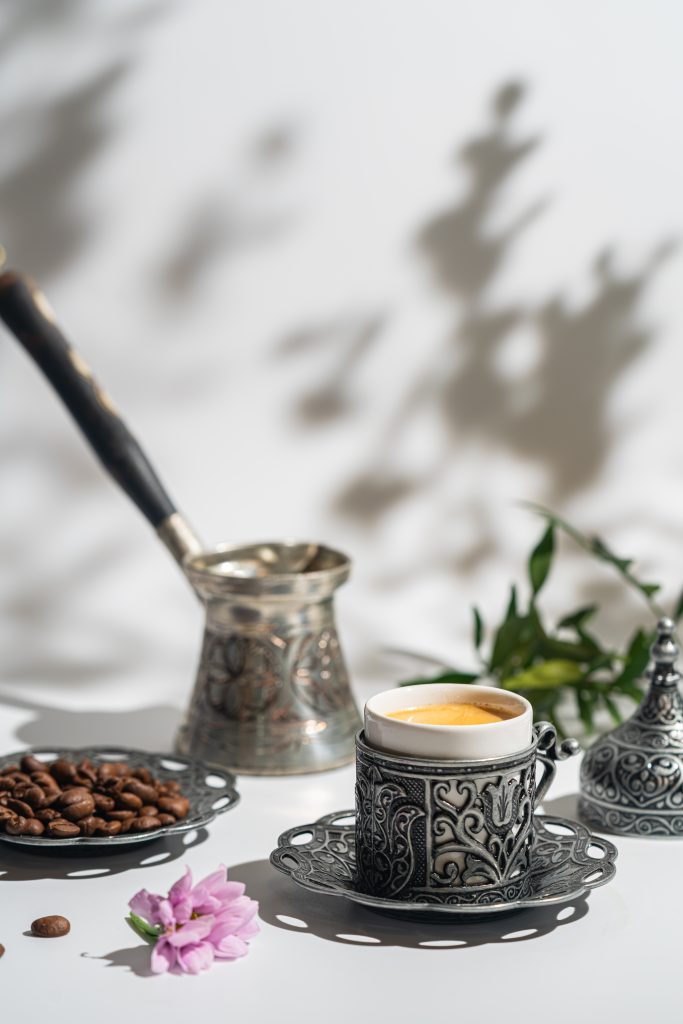
Turkish coffee is famous for its thick consistency, rich foam, and intense flavor. Finely ground coffee is simmered slowly in a small pot called a cezve, producing a strong cup with a velvety texture. Unlike filtered coffee, the grounds remain inside the cup, giving Turkish coffee its distinctive body and traditional presentation.
Throughout the Middle East and Mediterranean regions, Turkish coffee is enjoyed slowly after meals or during social gatherings. Served with sweets and conversation, it represents patience, connection, and the importance of spending quality time together — values that remain central to Middle Eastern hospitality traditions today.
Even the Coffee Cups Reflect Culture
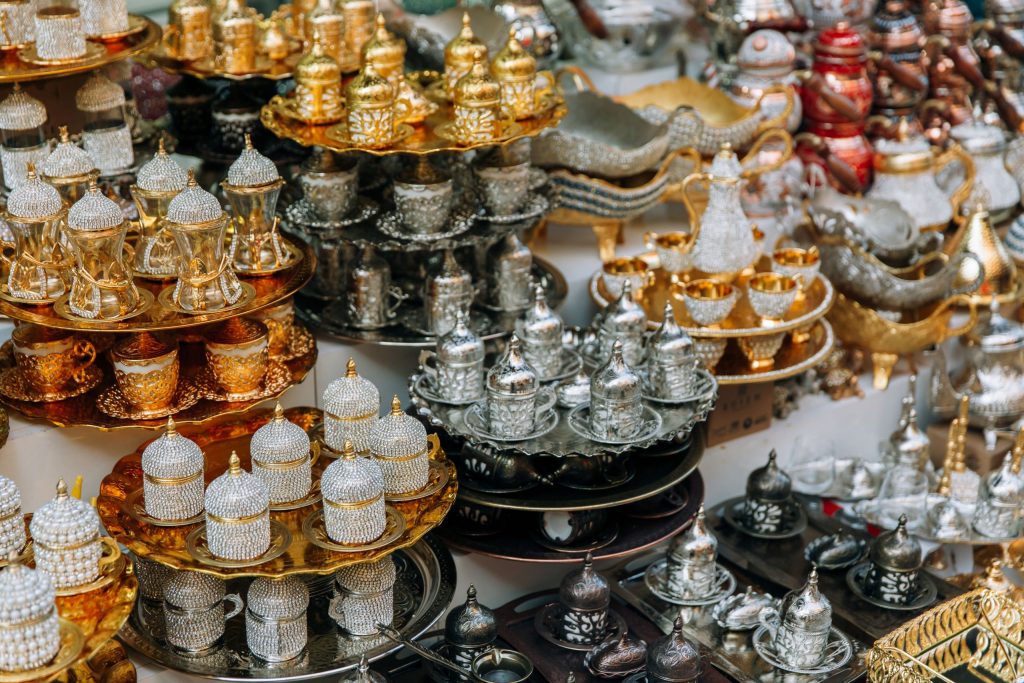
Across the Middle East, even the coffee cups vary from country to country, reflecting local traditions and hospitality customs. The way coffee is served is considered just as important as the drink itself, making the cups part of the overall cultural experience.
Finjan Cups in the Gulf
In Saudi Arabia and Gulf countries, Arabic coffee or Qahwa is served in small handleless cups called finjan. These cups are designed for small pours that can be refilled often as a sign of generosity and hospitality during gatherings and celebrations.
Turkish Coffee Cups
Turkish coffee is usually served in decorative porcelain cups with handles, similar to espresso cups. These elegant cups are often paired with sweets like baklava or Turkish delight, creating a slower and more social coffee experience.
Levantine Coffee Cups
In Syria and Lebanon and Palestine, coffee cups blend both Arabic and Turkish influences. Some families use small porcelain cups, while others prefer simple traditional serving styles for strong cardamom-infused coffee enjoyed after meals and family gatherings.
At Ottawa Kabab, these traditions continue beyond the kitchen through authentic halal Middle Eastern dining, artisan desserts, and the warm atmosphere that brings people together. Whether paired with fresh baklava, crispy kunafa, or enjoyed after a flavorful mix grill feast, Arabic coffee completes the experience with warmth, culture, and timeless hospitality. More than just a beverage, it’s a reminder that the best moments are often shared slowly — one conversation and one cup at a time.
