
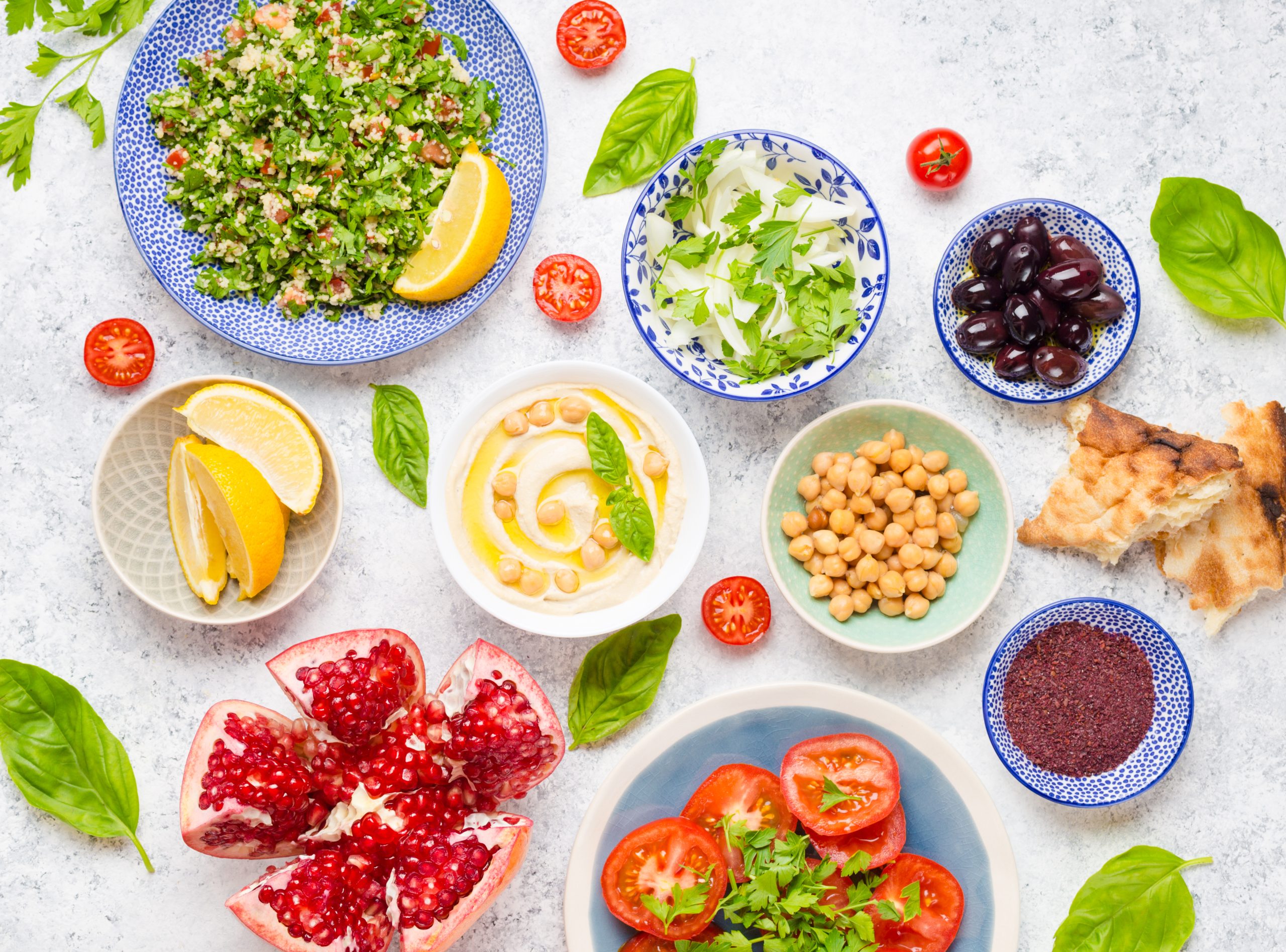
The Mediterranean eating pattern is known for fresh ingredients, shared meals and food traditions that vary widely from one region to another.
While the Mediterranean region encompasses a variety of countries, each with its own culinary traditions, this blog will focus on the Middle Eastern perspective of the Mediterranean diet, highlighting the delicious and nutritious dishes from countries such as Turkey, Lebanon, Syria, and Iraq. These countries bring a unique flavor and approach to the diet, emphasizing a balance of fiber, protein, and carbohydrates that contribute to a healthy lifestyle.
The Essence of the Mediterranean Diet
The Mediterranean diet is not just about the food itself but the lifestyle and approach to eating. It prioritizes whole foods, fresh ingredients, and balanced meals. The Middle Eastern interpretation of the Mediterranean diet places emphasis on the following key components:
- Fiber-Rich Vegetables and Salads
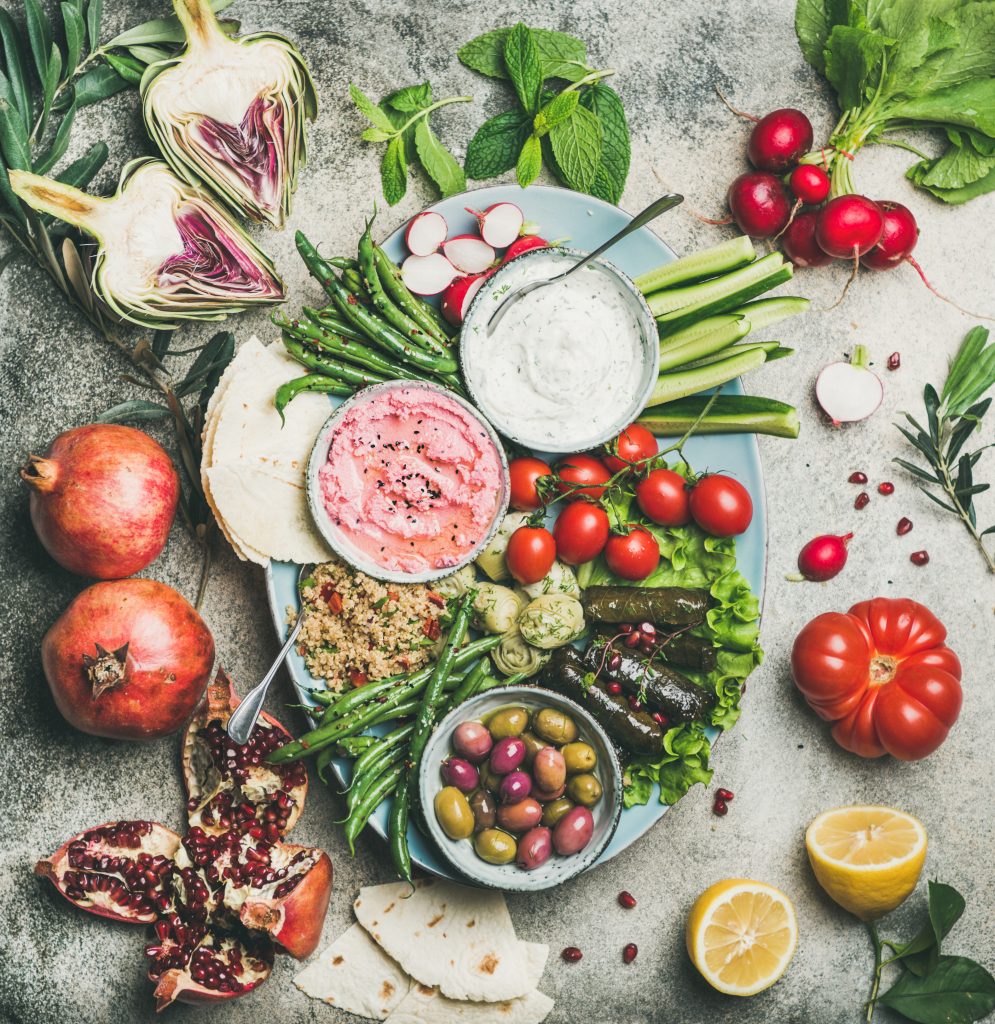
Vegetables are a cornerstone of the Mediterranean diet, providing essential vitamins, minerals, and dietary fiber. In Middle Eastern cuisine, fiber is found abundantly in salads and mezze dishes, such as tabbouleh, a vibrant salad made with parsley, mint, tomatoes, and bulgur, dressed with lemon juice and olive oil. These salads not only add flavor and color to the meal but also aid in digestion and help maintain a healthy weight. - High-Quality Protein Sources
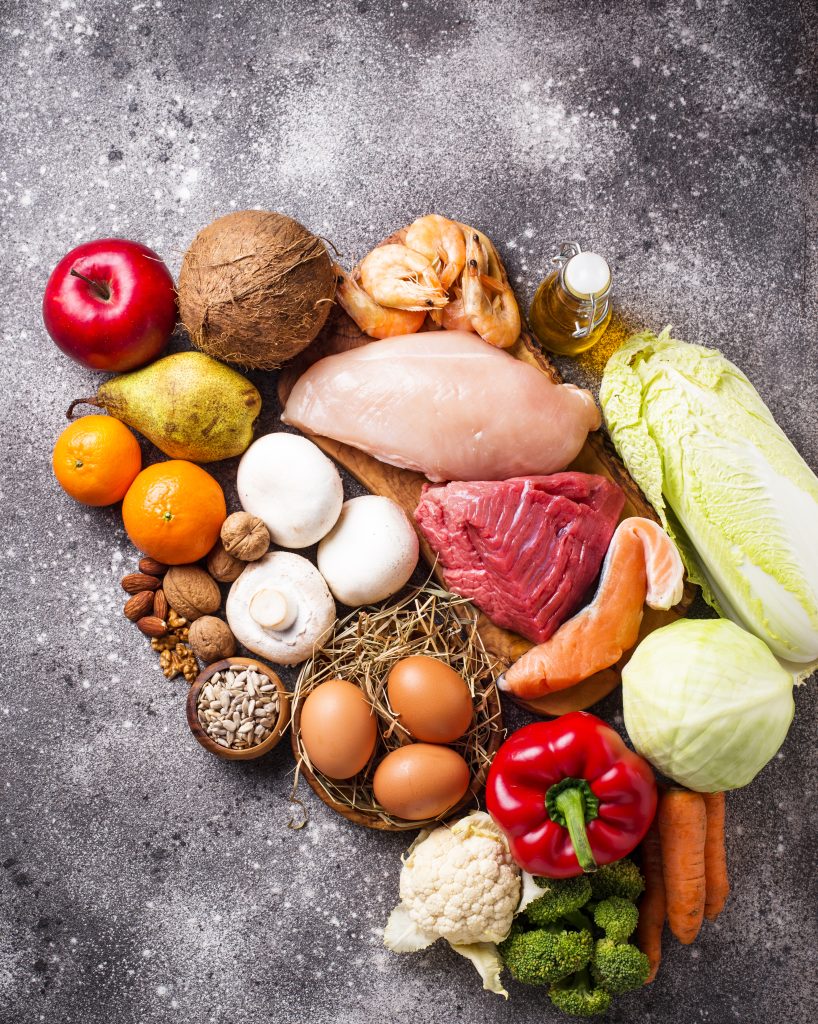
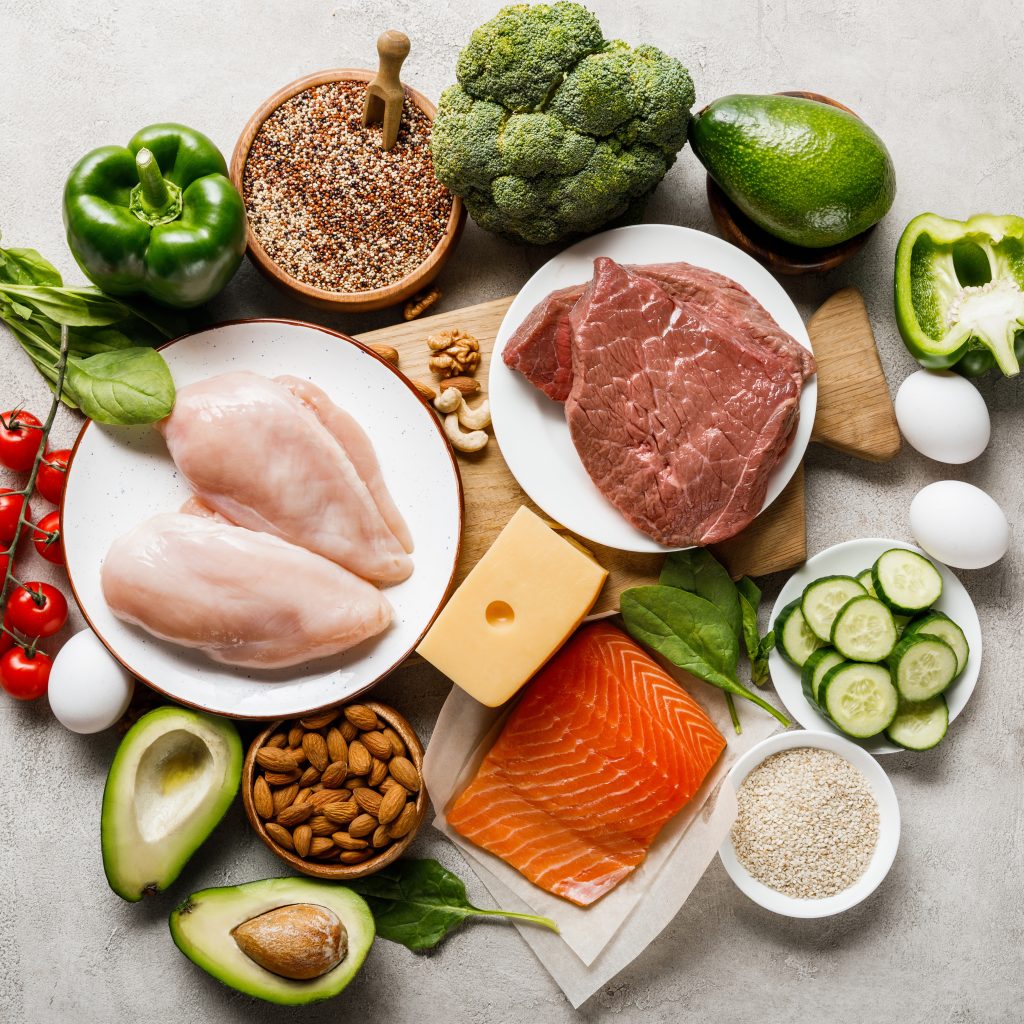
Protein is an essential part of the Mediterranean diet, and Middle Eastern cuisine showcases a variety of high-quality meats such as chicken, beef, and lamb. Dishes like kebab and tikka feature large pieces of marinated and grilled meats, providing lean protein without the fillers often found in processed foods like burgers. This focus on pure, unadulterated meat ensures the full nutritional benefits are retained. - Carbohydrates from Bread and Rice
Carbohydrates are an important energy source in the Mediterranean diet, with bread and rice being staples in Middle Eastern meals. Hummus and baba ghanoush are often enjoyed with fresh, warm bread, while meats are commonly served with rice or bulgur. These carbohydrates provide a steady source of energy, complementing the proteins and vegetables in the meal. - The Role of Olive Oil
Olive oil is an essential ingredient in Middle Eastern cooking, valued for its fruity, peppery flavour and versatility. It is used generously in salads, mezze dishes, and as a finishing touch on many dishes. The presence of olive oil not only enhances the flavor but also provides healthy fats that are crucial for maintaining good health.
What Makes the Middle Eastern Mediterranean Pattern Distinctive
The Middle Eastern side of Mediterranean cooking is built around fresh vegetables, legumes, grains, olive oil, herbs, yogurt and grilled proteins. What makes the pattern especially interesting is not a promise of specific medical outcomes, but the way traditional meals combine simple ingredients into varied, satisfying plates. The mix of flavours and textures found in Syrian, Lebanese, Turkish and Iraqi dishes shows how everyday food traditions can be both practical and deeply connected to culture.
1. Olive Oil, Nuts and Vegetables
Olive oil, nuts, vegetables and whole grains are common parts of Mediterranean-style meals. Rather than promising specific heart-health outcomes, it is more accurate here to focus on how these ingredients create satisfying meals with a mix of textures, flavours and food groups.
2. Balanced Plates and Satisfying Portions
Traditional meals often combine vegetables, legumes, grains, yogurt, olive oil and protein on the same table. That variety creates satisfying plates with different textures and flavours without reducing the cuisine to a weight-loss message.
3. Vegetables, Legumes and Whole Grains
Tabbouleh, lentils, chickpeas, bulgur and other plant-based staples bring freshness, texture and substance to Middle Eastern meals. They also help explain why vegetables, legumes and grains play such a visible role in the region’s everyday food traditions.
4. Variety and Traditional Ingredients
The Mediterranean eating pattern is widely studied, but this restaurant article is not intended to make disease-prevention claims. Its most useful takeaway is culinary: meals often combine vegetables, legumes, grains, olive oil, herbs and grilled proteins in a varied, ingredient-focused way.
Exploring Key Dishes in the Middle Eastern Mediterranean Diet
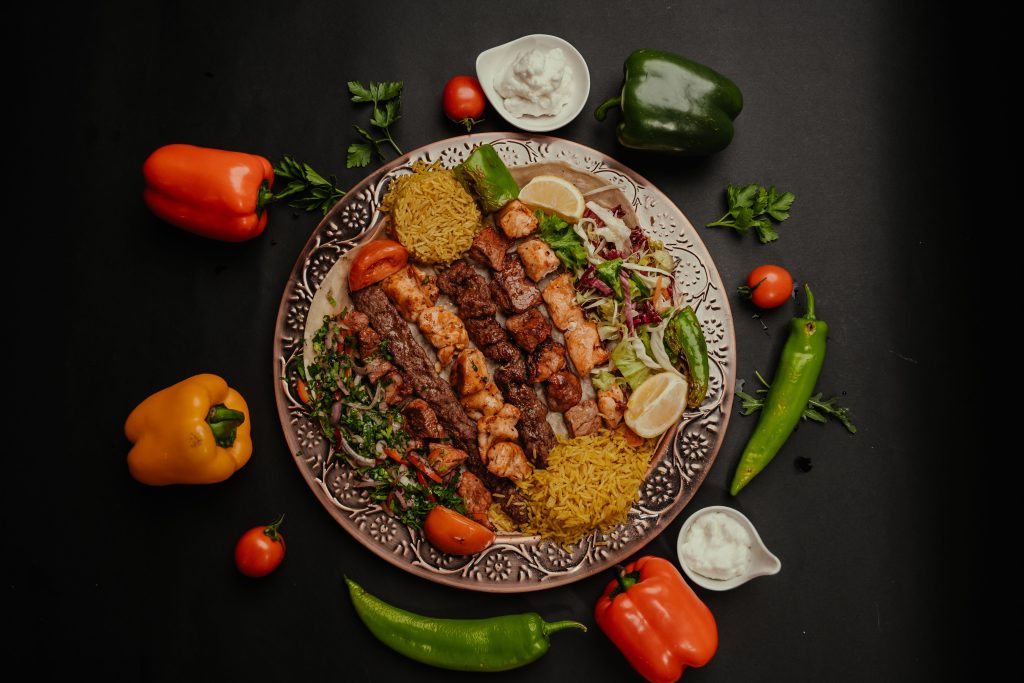
The Middle Eastern Mediterranean diet is celebrated for its diverse array of dishes that are not only flavorful but also packed with nutrients. These dishes emphasize fresh ingredients, vibrant spices, and balanced nutrition, reflecting the rich culinary traditions of countries like Turkey, Lebanon, Syria, and Iraq. Here are some of the key dishes that exemplify the healthful and delicious qualities of this diet:
1. Kebab
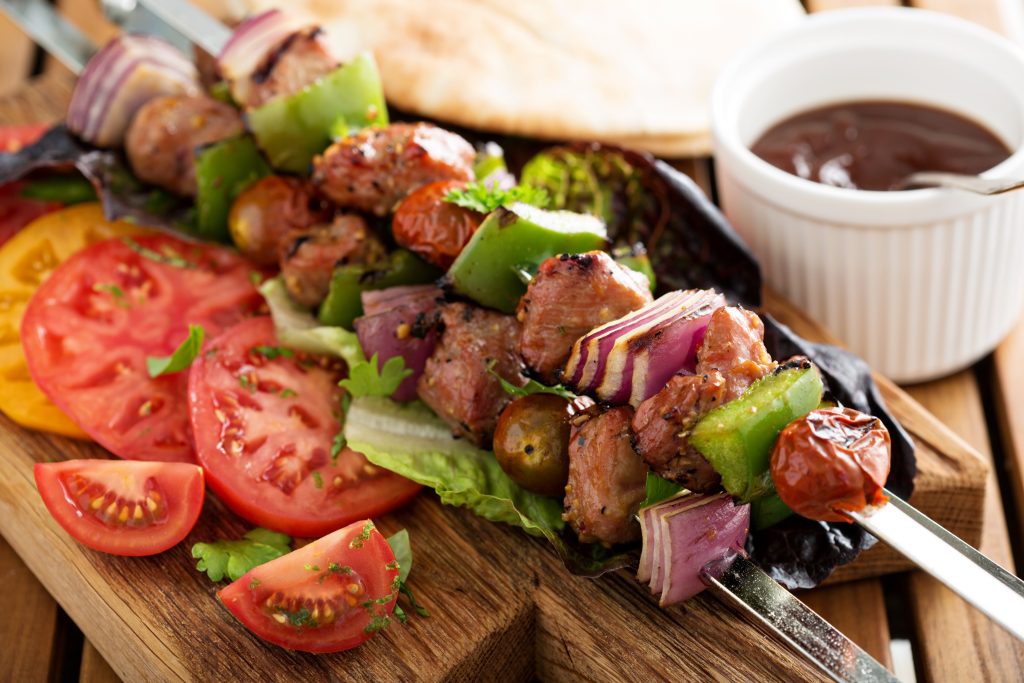
Kebab, a quintessential Middle Eastern dish, consists of skewered and grilled meats marinated in a blend of spices and herbs. Whether made from chicken, beef, or lamb, kebabs offer a rich source of protein and essential nutrients. Spices such as cumin, coriander and sumac add warmth, acidity and aroma, giving grilled meats a distinctly Middle Eastern flavour profile.
2. Tikka
Tikka, similar to kebab, involves marinating and grilling meats, often accompanied by vegetables. The focus on high-quality cuts of meat ensures that the dish remains lean and nutritious. Tikka is often enjoyed with a side of yogurt or tahini sauce, adding a dose of probiotics and calcium to the meal.
3. Middle Eastern Salads
Salads in Middle Eastern cuisine are vibrant and full of flavor. Tabbouleh is a standout example, with its fresh ingredients and tangy dressing. Another popular salad is fattoush, made with mixed greens, tomatoes, cucumbers, radishes, and crispy pieces of pita bread, all tossed in a zesty sumac dressing. These salads provide a wealth of vitamins, minerals, and antioxidants.
4. Mezze Dishes
Mezze, a selection of small dishes served as appetizers or shared plates, is a beloved part of Middle Eastern dining. Hummus, baba ghanoush, muhammara, salads and pickles create a table with contrasting textures and flavours, often finished with olive oil, herbs or spices.
Yalangi
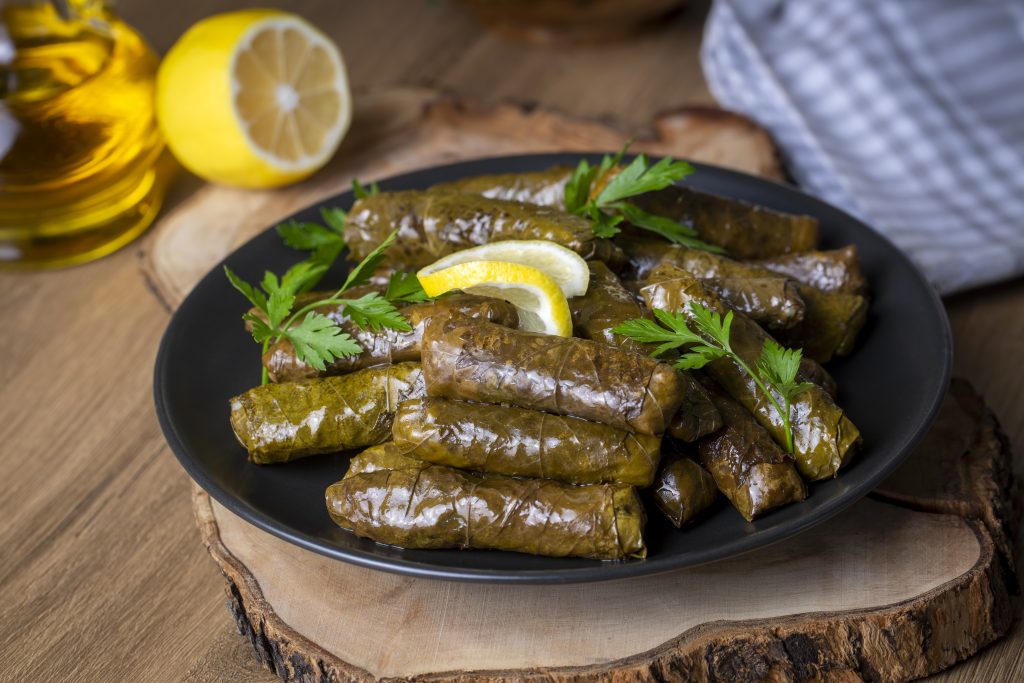
Yalangi, also known as dolma or stuffed grape leaves, is a beloved dish in Middle Eastern cuisine that embodies the essence of the Mediterranean diet. This dish features tender grape leaves wrapped around a flavorful mixture of rice, herbs, and spices, often enhanced with pine nuts and raisins for a subtle sweetness. Unlike other variations of stuffed grape leaves that include meat, yalangi is traditionally vegetarian, making it a perfect addition to a mezze spread. Drizzled with olive oil and a squeeze of lemon juice, this dish captures the vibrant flavors and healthy ingredients characteristic of the Mediterranean way of eating.
The Importance of Olive Oil in Middle Eastern Cuisine
Olive oil is a cornerstone of Mediterranean cooking and is used in dressings, marinades, dips and as a finishing touch. Different varieties bring their own levels of fruitiness, bitterness and peppery flavour to the table.
Interesting Facts About Olive Oil
- Olive oil has been a staple in Mediterranean diets for thousands of years, dating back to ancient civilizations.
- It is considered a symbol of peace and prosperity in many cultures.
Statistics: Leading Olive Oil Producers
| Country | Production (Metric Tons) |
|---|---|
| Spain | 1,290,000 |
| Italy | 336,000 |
| Greece | 280,000 |
| Turkey | 263,000 |
| Syria | 125,000 |
Did You Know?
- Olive Oil Varieties: Extra virgin, virgin and refined olive oils differ in processing and flavour. Extra virgin olive oil is the least refined and is often chosen when its aroma and taste are meant to remain noticeable in the finished dish.
- Historical Significance: The olive tree is considered sacred in many cultures and is often associated with wisdom, peace, and victory.
Embracing the Mediterranean Lifestyle
The Middle Eastern perspective on Mediterranean food emphasizes fresh ingredients, balanced shared plates and culinary traditions passed down through generations. It is best understood as a food culture rather than a promise of specific health outcomes.
Tips for Adopting a Middle Eastern Mediterranean Diet
- Incorporate More Vegetables: Add a variety of colorful vegetables to your meals, focusing on salads and mezze dishes for a healthy dose of fiber and nutrients.
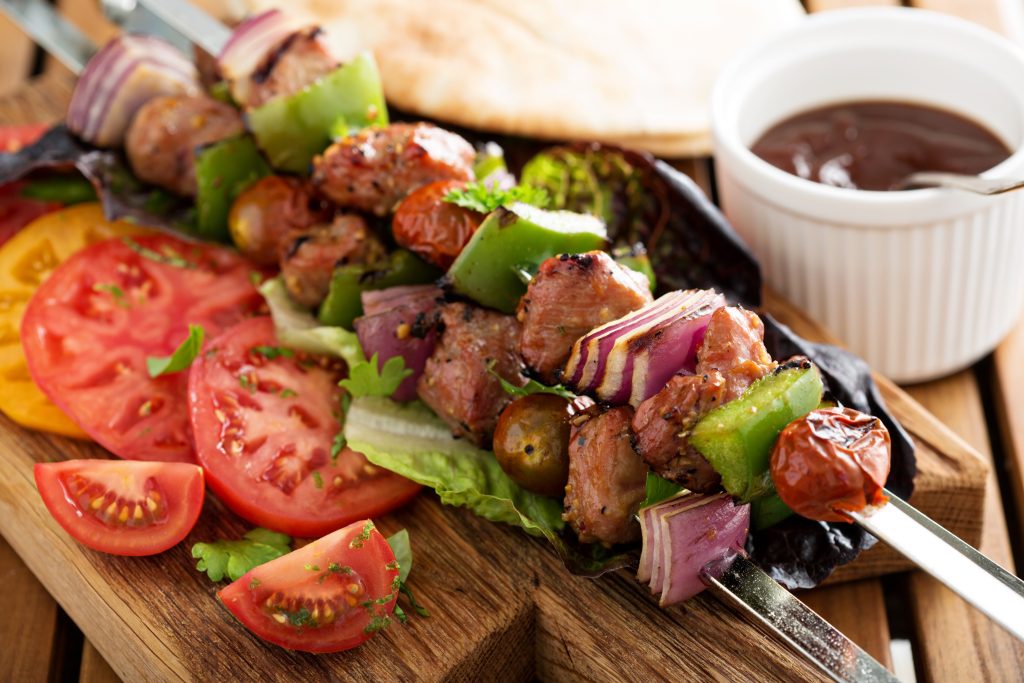
- Choose Lean Proteins: Opt for high-quality meats such as chicken, beef, and lamb, prepared in traditional dishes like kebab and tikka.
- Use Olive Oil Generously: Embrace the use of olive oil in your cooking and as a dressing for salads and mezze dishes.
- Enjoy Whole Grains: Include whole grains like bulgur and rice as part of your meals, paired with meats and vegetables for a balanced diet.
Conclusion
The Mediterranean diet, from a Middle Eastern perspective, offers a delicious and nutritious way of eating that promotes overall health and well-being. By focusing on fresh ingredients, high-quality proteins, and the rich flavors of traditional dishes, individuals can enjoy a balanced and satisfying diet that supports a healthy lifestyle. Whether you're indulging in a flavorful kebab, savoring a vibrant tabbouleh salad, or drizzling olive oil over mezze dishes, the Mediterranean diet provides a culinary journey that delights the senses and nourishes the body.