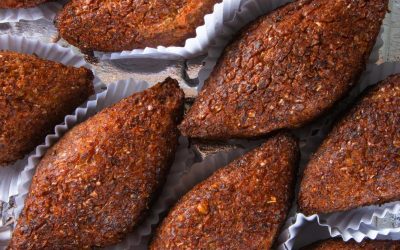
Charcoal grilling is a defining part of many Middle Eastern cooking traditions because it changes more than temperature. The intense heat, live fire and aromatic smoke work together to create the browned edges, juicy centre and unmistakable grilled aroma people associate with a well-made kabab.
At Ottawa Kabab, charcoal-grilled dishes are a major part of our Middle Eastern menu, from ground-meat kababs to chicken and beef skewers. The technique is simple in principle, but the details make a major difference.
High Heat Creates Better Browning
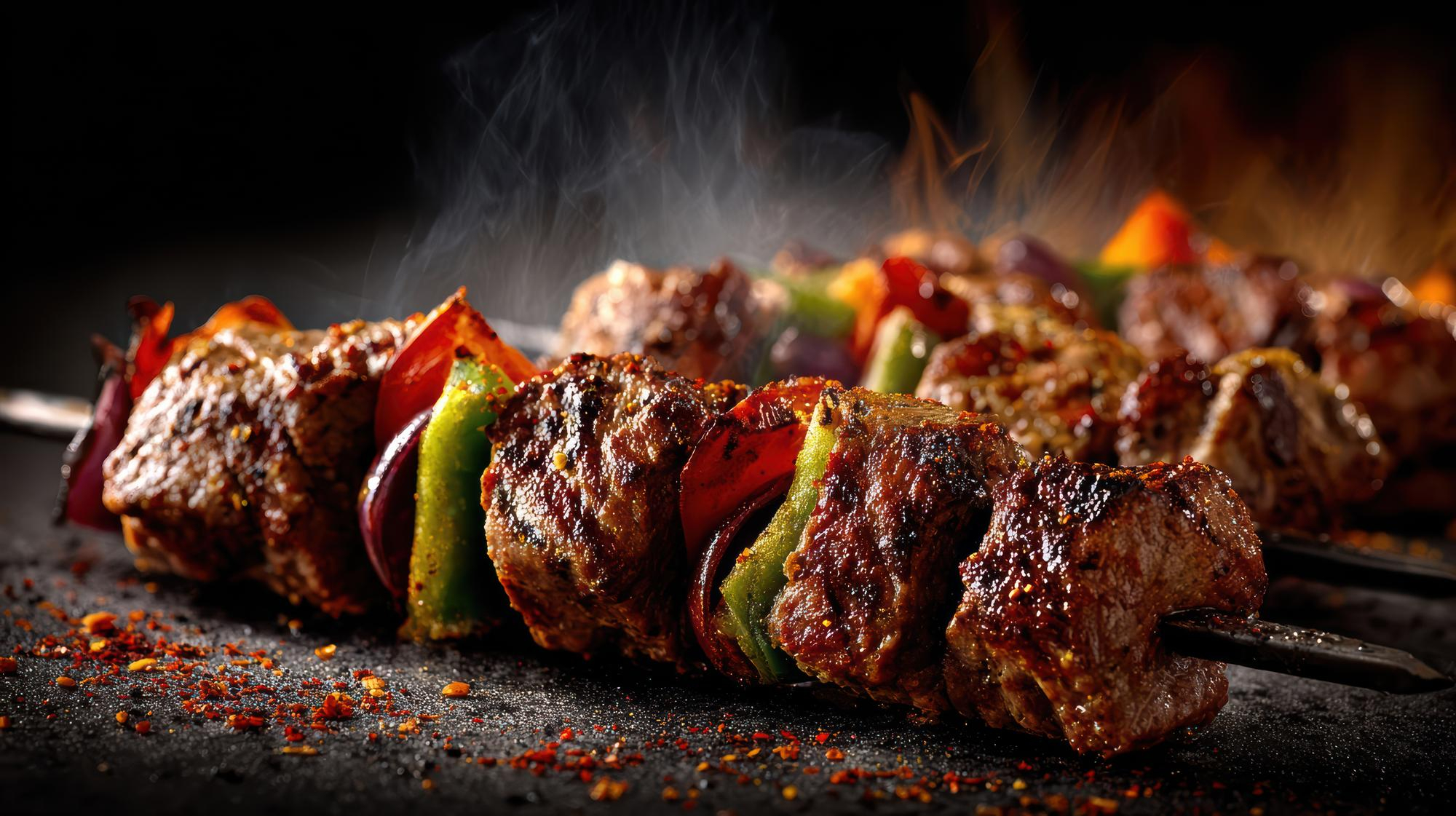
Charcoal can produce strong radiant heat around the food. That helps the exterior of meat brown quickly while the inside continues cooking. The result is the contrast people look for in grilled food: a savoury, slightly crisp exterior with a tender interior.
This browning is especially important for kabab because much of its flavour develops on the surface. Ground beef and lamb kababs gain a deeper roasted character, while cubes of chicken or beef develop caramelized edges without needing a heavy sauce.
Smoke Adds an Extra Layer of Flavour
As meat cooks over charcoal, small amounts of fat and marinade can drip toward the heat source. The resulting smoke rises around the skewers and contributes to the familiar charcoal-grilled aroma. It is a flavour that is difficult to reproduce with an indoor pan or electric grill.
The goal is not to overwhelm the meat with smoke. Good charcoal grilling keeps the fire controlled so the flavour remains balanced and the spices, marinade and meat can still be tasted clearly.
Middle Eastern Marinades Are Built for the Grill
Middle Eastern grilled meats are often seasoned before they reach the fire. Depending on the dish, marinades and seasoning blends may include garlic, lemon, yogurt, onion, olive oil, paprika, Aleppo pepper, cumin, sumac and other regional spices.
These ingredients are not meant to hide the meat. They add acidity, aroma, colour and seasoning that become more pronounced as the skewers cook. For ground kababs, seasoning is mixed directly into the meat; for shish-style skewers, the marinade has time to coat the individual pieces before grilling.
Why Skewers Work So Well Over Charcoal
Skewers allow cooks to position meat close to the heat and turn it frequently. That control is useful for foods that cook quickly. Each side can develop colour while the cook watches for the right level of doneness.
The shape also encourages even cooking. Ground kabab can be spread along a flat skewer, while cubes of chicken or beef can be spaced so hot air circulates around them. That is one reason skewered meats appear across so many Syrian, Iraqi, Lebanese and Turkish grilling traditions.
Charcoal Grill vs. Gas or Electric Grill
Gas and electric grills can produce excellent food and are easier to control, but charcoal creates a different cooking environment. The combination of radiant heat and live-fire aroma gives grilled meat a more pronounced roasted character.
That difference is especially noticeable in simple dishes. When a plate is centred on kabab, shish tawook or grilled beef, there are fewer sauces or toppings competing with the flavour of the grill itself.
The Complete Middle Eastern Grill Experience
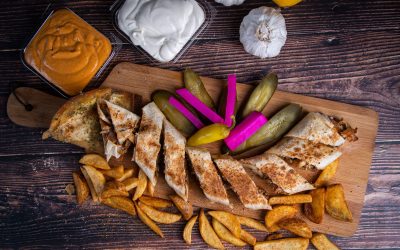
Charcoal-grilled meat is rarely eaten alone. It is commonly served with rice or bread, grilled vegetables, onions, parsley, pickles, hummus, mutabal and other mezze. Those fresh, tangy and creamy sides balance the richness of the meat and make the meal feel complete.
If you want to experience the difference for yourself, visit Ottawa Kabab at 577 Gladstone Avenue in Ottawa or explore our menu. Our kitchen also prepares charcoal-grilled options for halal catering in Ottawa.