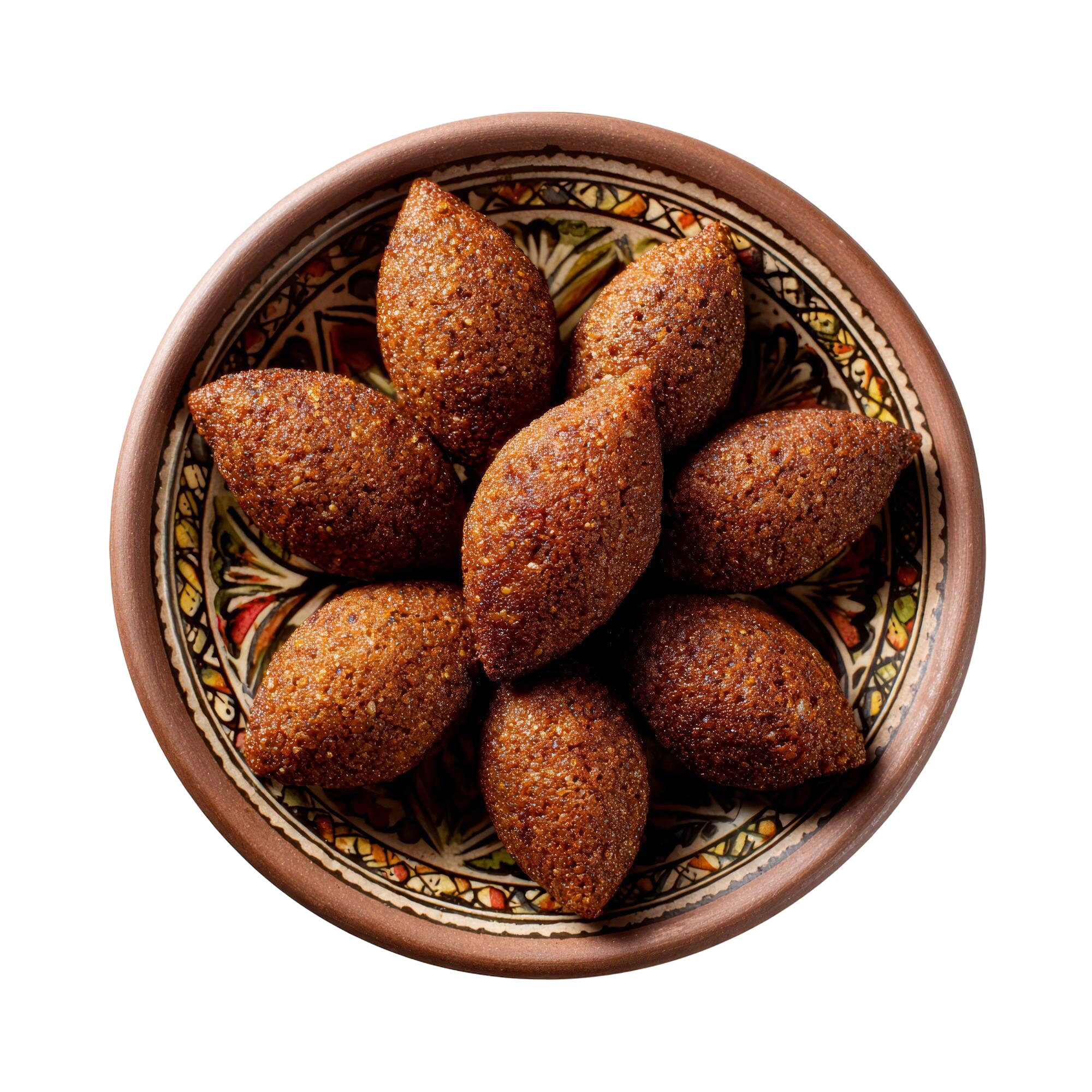
At first glance, fried kibbeh can look a little like falafel. Bite into it, though, and the similarity ends.
Falafel is traditionally made from chickpeas or fava beans and herbs. Kibbeh—also spelled kubbeh, kibbe or kubba depending on the country and transliteration—is traditionally built around finely ground meat, grain and spices. In Syria and Lebanon, that grain is most often bulgur.
From that remarkably simple foundation, cooks across the Middle East created an extraordinary family of dishes: fried, grilled, baked, simmered in yogurt or fruit sauces, and even served raw.
One Idea, Dozens of Ways to Prepare It
The basic idea behind Levantine kibbeh is deceptively simple: very finely worked meat, bulgur and seasoning form the outer mixture, while many versions add a filling of seasoned ground meat, onions and nuts. What makes kibbeh fascinating is what happens next.
It can become a crisp torpedo-shaped appetizer, a charcoal-grilled disc, a layered oven dish, small dumplings cooked in yogurt, or a delicate raw preparation. Aleppo is particularly famous for its kibbeh culture, with generations of Syrian cooks turning the same basic ingredients into remarkably different dishes.
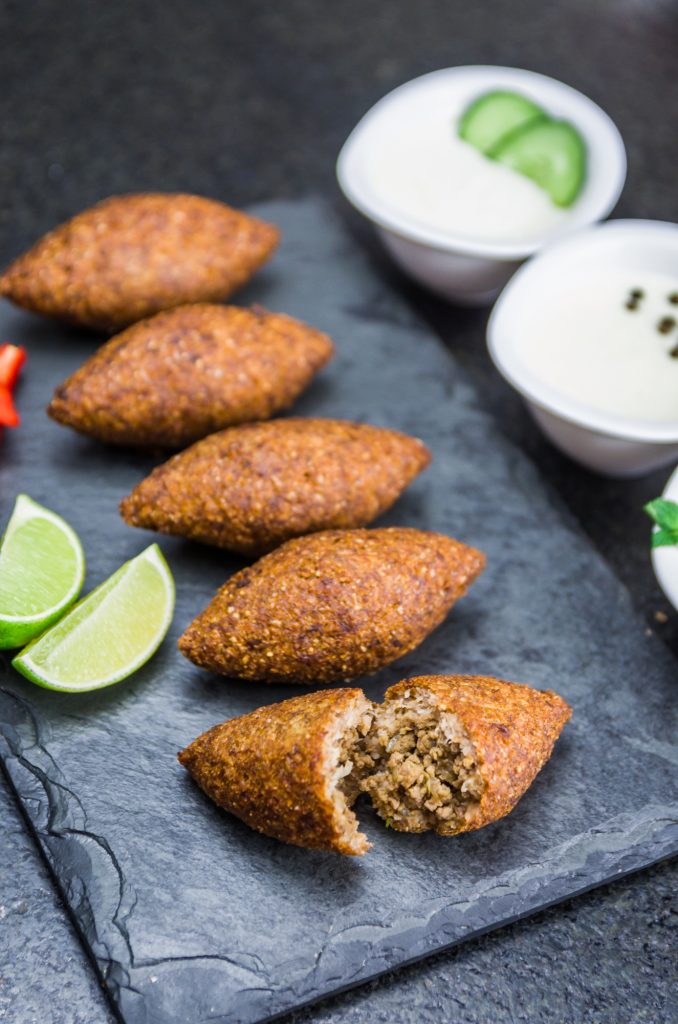
Fried Kibbeh
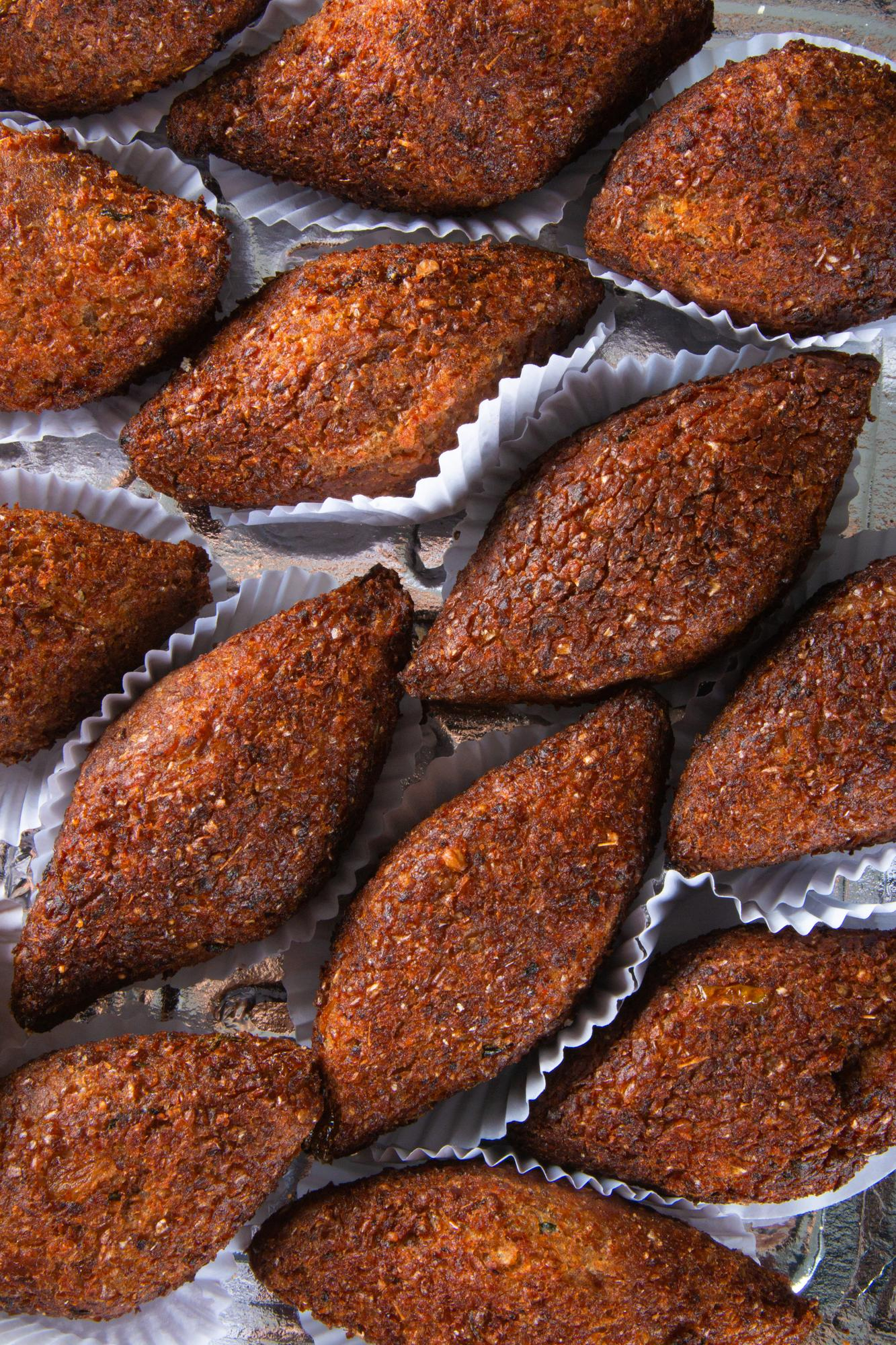
The familiar crisp version is shaped around a savoury meat filling and fried until golden. At Ottawa Kabab, the fried kubbeh is made from bulgur stuffed with ground beef and walnuts.
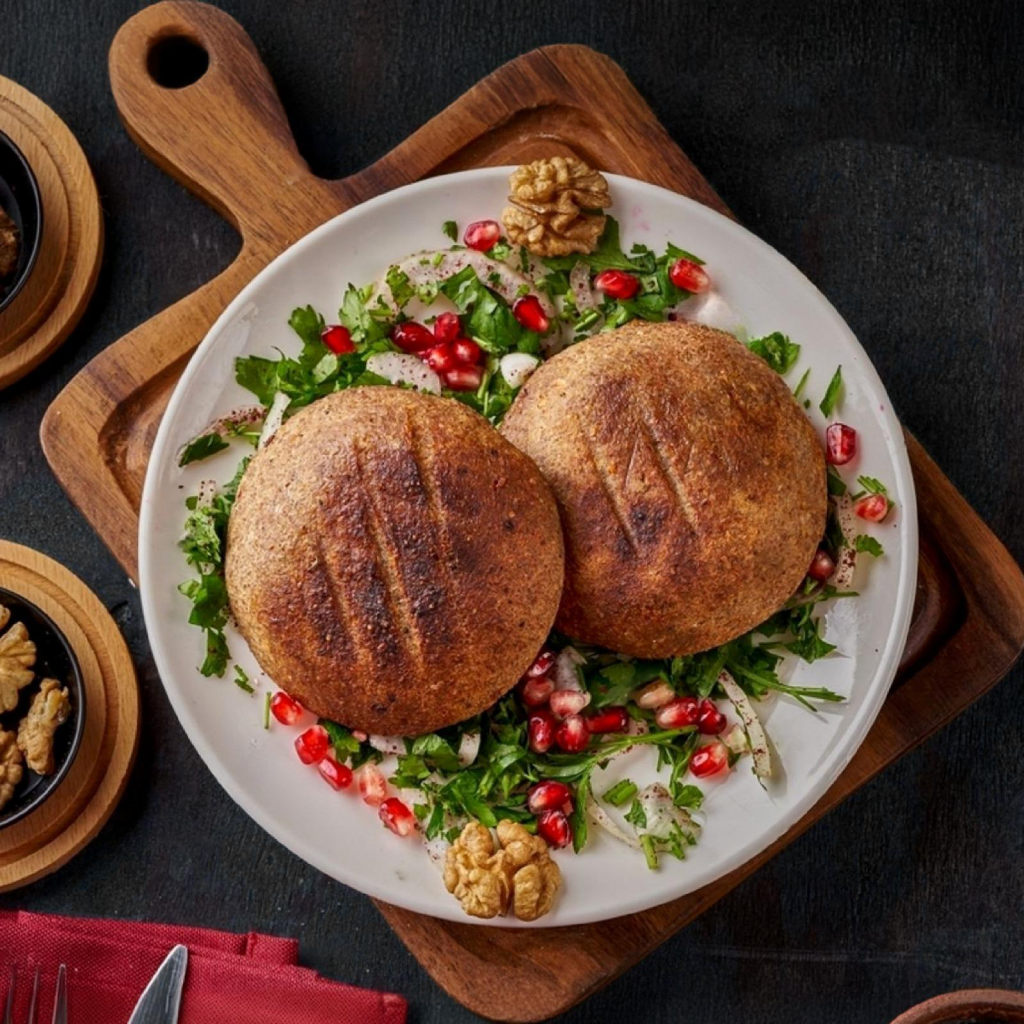
Grilled Kubbeh
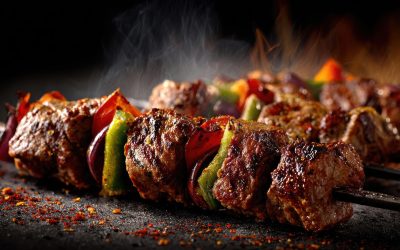
Grilled kibbeh takes the dish in a smokier direction. Ottawa Kabab’s version combines ground beef and fat with pomegranate sauce and walnuts. It fits naturally beside kabab and other charcoal-grilled meats, and it is the kind of item people often begin with while sharing a mixed grill.
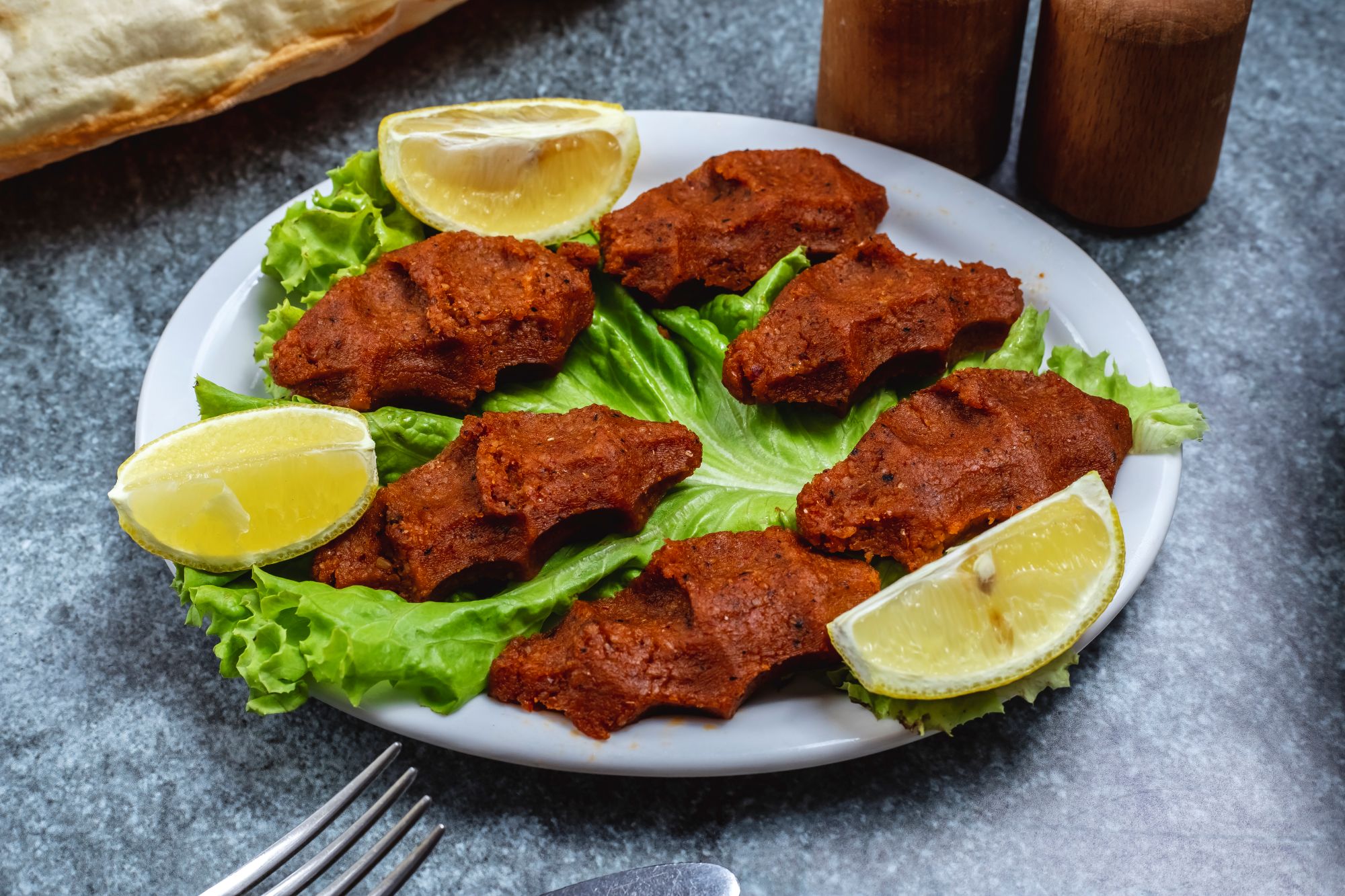
Kibbeh Nayyeh
Kibbeh nayyeh shows just how far the tradition can move from the fried version. It is a raw preparation of very finely minced meat, bulgur and spices, commonly served in Syria and Lebanon with olive oil, herbs, onions and bread.
Syria: Where Kibbeh Becomes a Culinary Art
Few places demonstrate kibbeh’s creativity better than Syria, especially Aleppo. The same bulgur-and-meat foundation changes shape, texture, cooking method and sauce depending on the recipe.
Kibbeh Labaniyeh places kibbeh in a tangy yogurt sauce. Kibbeh Sajiyeh is formed into a flatter stuffed shape. Kibbeh bil Sanieh skips individual shells entirely: kibbeh is layered in a tray with a seasoned meat-and-nut filling and baked in the oven.
Then there is Kibbeh Mabroumeh, an Aleppine specialty rolled into a log with meat and nuts, often associated with pistachios. Syrian kitchens also have kibbeh cooked with quince, sumac, pomegranate and other tart flavours—proof that kibbeh is less a single recipe than a whole cooking language.
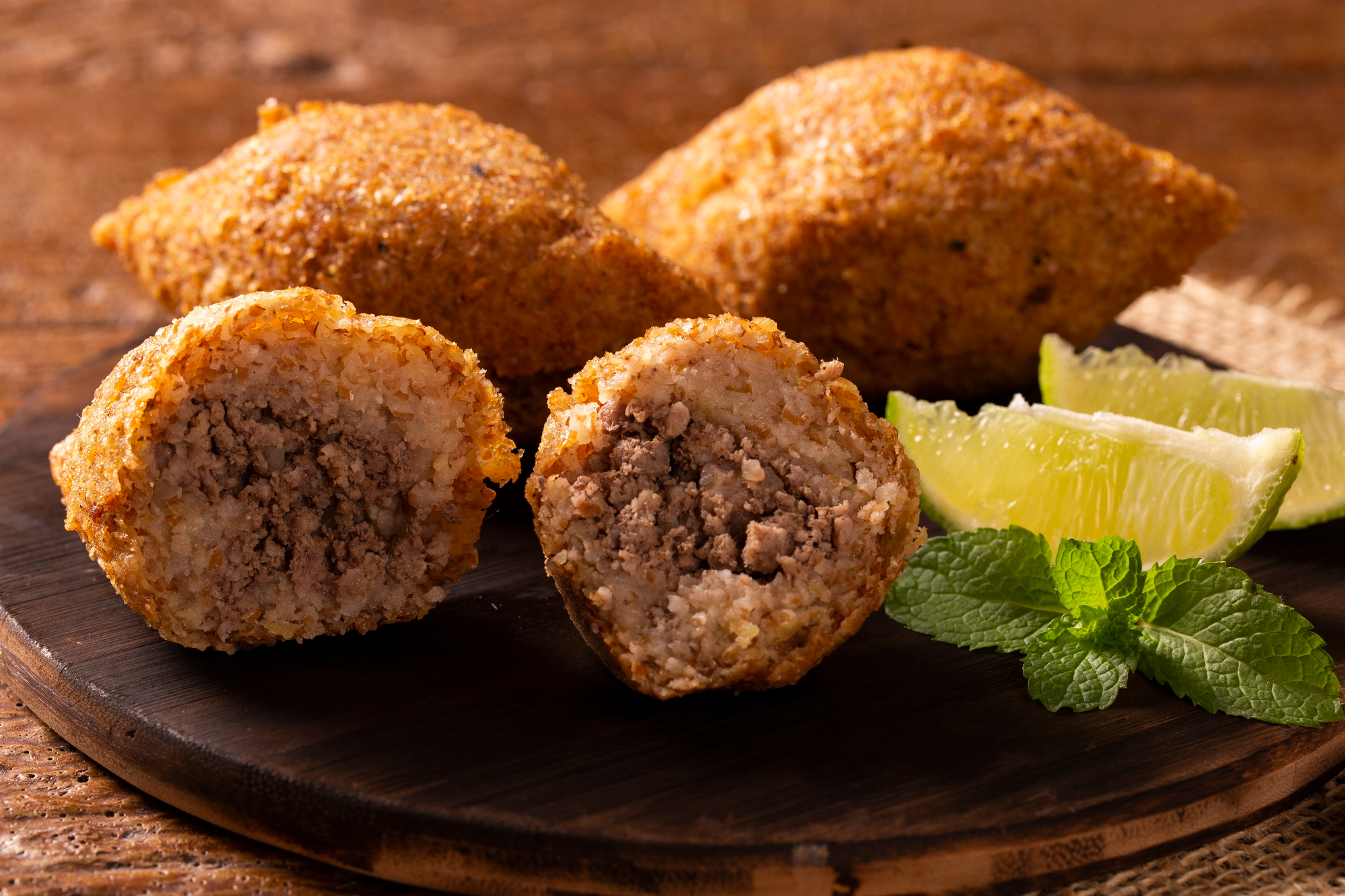
How Iraq Made Kubba Its Own
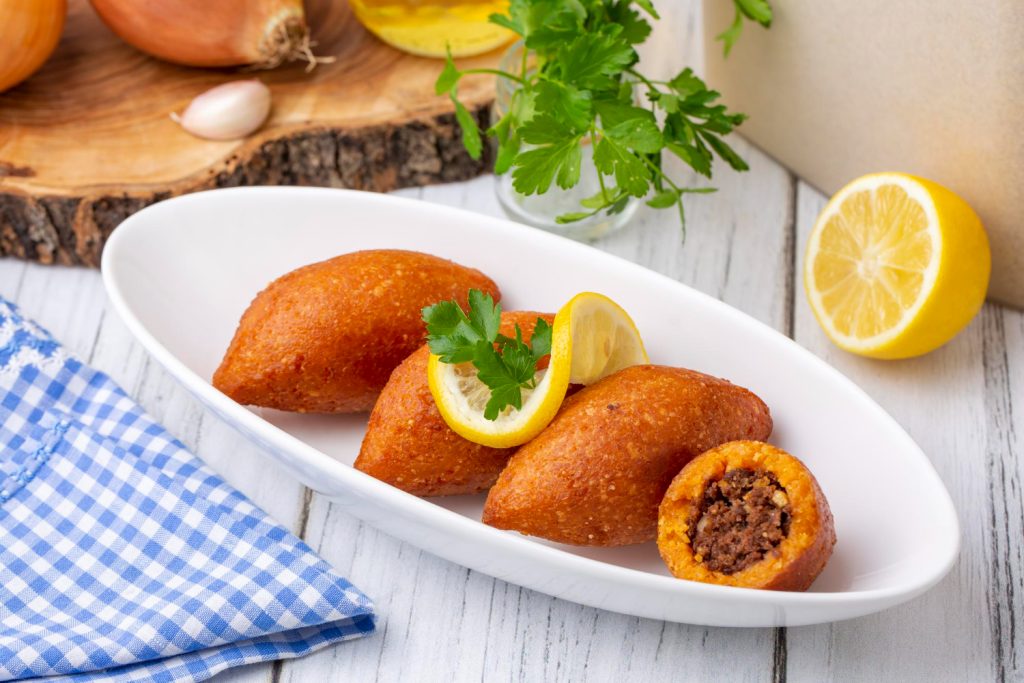
Iraqi kubba demonstrates why it is difficult to define kibbeh with only one ingredient list. Syrian and Lebanese versions are strongly associated with bulgur, but Iraqi traditions also use rice, potatoes and other grains to form the shell.
Potato-based kubba is one well-known Iraqi variation, while other Iraqi forms use rice. Kubba Mosul is famously broad and flat, and kubba also appears in soups and stews. The filling may still carry familiar flavours of meat, onion and spices, but the outside can be completely different from the bulgur shell familiar in Syria and Lebanon.
That regional adaptation is exactly what makes kibbeh so interesting: communities kept the idea and rebuilt it around the ingredients and cooking traditions available to them.
A Quick Guide to Kibbeh’s Many Forms
| Variation | How It Is Prepared | Where It Is Common |
|---|---|---|
| Fried Kibbeh | Bulgur-and-meat shell, stuffed and fried | Syria, Lebanon and across the Levant |
| Grilled Kibbeh | Stuffed kibbeh grilled for a smoky flavour | Syria and Lebanon |
| Kibbeh Nayyeh | Raw finely minced meat, bulgur and spices | Syria and Lebanon |
| Kibbeh Labaniyeh | Kibbeh cooked in yogurt sauce | Syria and Lebanon |
| Kibbeh Sajiyeh | Flat stuffed kibbeh preparation | Levant |
| Kibbeh bil Sanieh | Layered and baked in a tray | Syria and Lebanon |
| Kibbeh Mabroumeh | Rolled kibbeh with a rich meat-and-nut filling | Especially associated with Aleppo |
| Iraqi Kubba | May use rice or potato instead of a bulgur shell | Iraq |
Why Does Kibbeh Look Like Falafel?
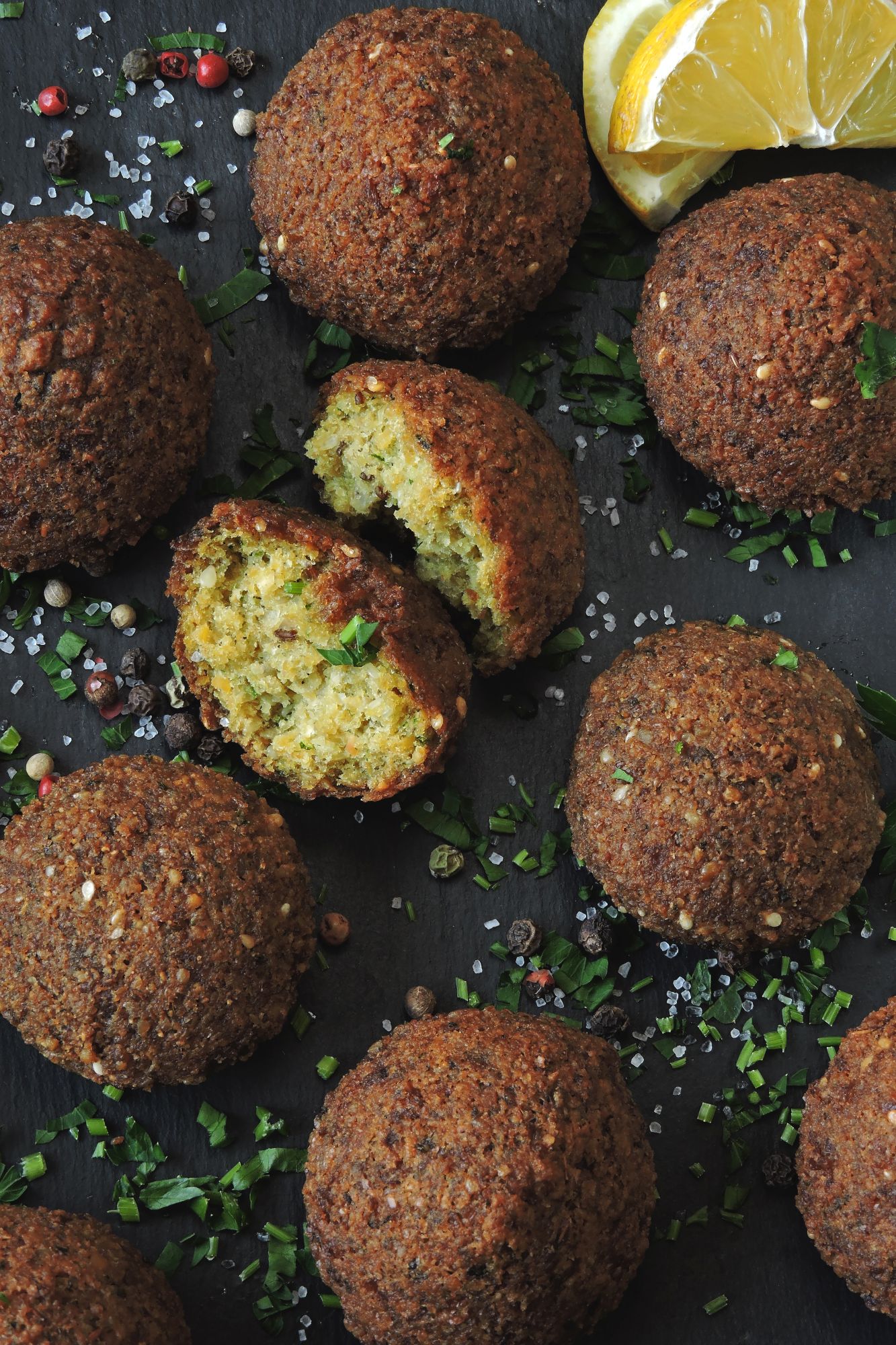
Falafel
Usually made from chickpeas, fava beans or a combination of legumes with herbs and spices. It is typically vegetarian and fried into balls or patties.
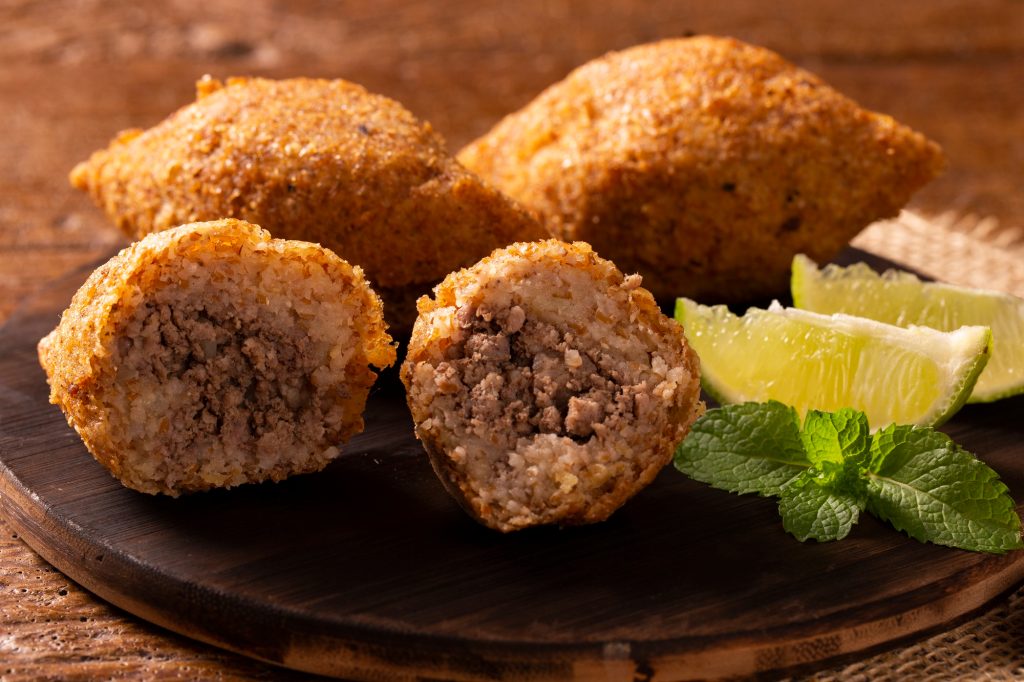
Kibbeh
In its classic Syrian and Lebanese form, kibbeh uses finely ground meat and bulgur, often with another seasoned meat-and-nut mixture inside. Similar golden colour and fried shapes can make the two look related on a plate, but their ingredients, texture and flavour are completely different.
Kibbeh or Kubbeh?
You will see the dish written as kibbeh, kibbe, kubbeh, kubba and other spellings. They reflect different Arabic pronunciations, regional names and ways of transliterating Arabic into English. The spelling may change, and sometimes the ingredients change dramatically too, but the names belong to the same broad Middle Eastern family of dishes.
Kibbeh on the Levantine Gathering Table
In Syria and across the Levant, fried kibbeh is not always served as a standalone dish. It is also a familiar part of the gathering and celebration table, especially at family get-togethers, parties, birthdays and other occasions where many small dishes are shared.
A typical spread might bring together fried kibbeh, tabbouleh and an assortment of small savoury pastries—known in Syria as sawareehat (سواريهات)—filled with cheese, spinach, labneh, meat or other fillings. Yalanji, mini pizzas and other bite-sized appetizers may also appear alongside them.
The combination works particularly well: kibbeh provides the rich, meaty element, the pastries add variety, while fresh, lemony tabbouleh balances the heavier flavours.
For many Syrians and other Levantine families, a beautifully arranged platter of kibbeh, pastries and tabbouleh is more than a collection of appetizers. It is part of the region's culture of hospitality—putting several flavours on the table and letting everyone share.
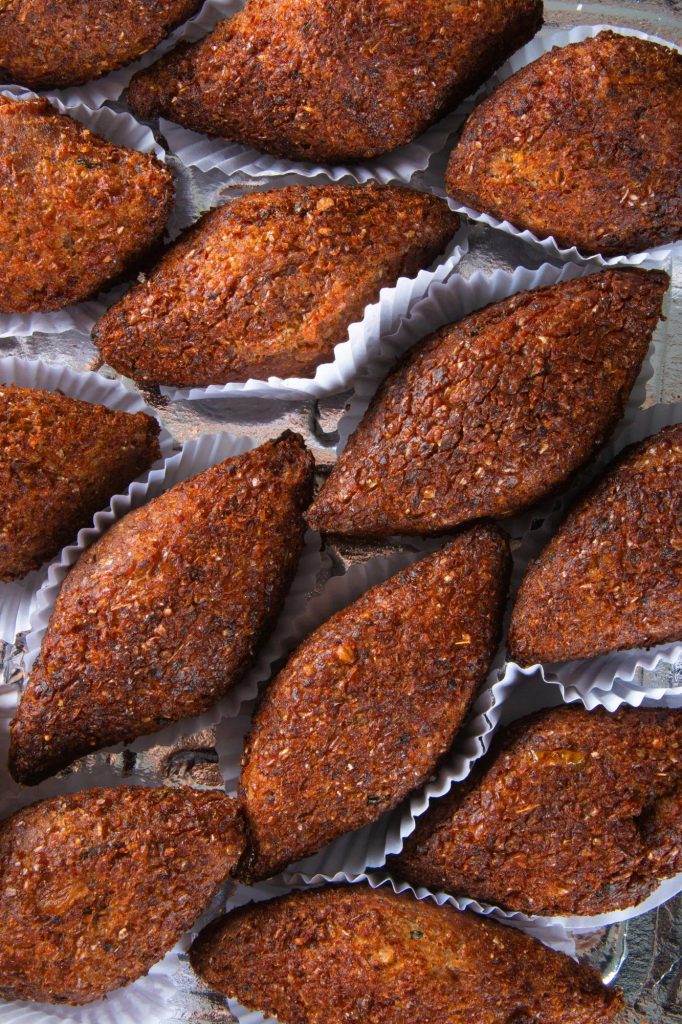
For parties and family gatherings, fried kibbeh is often individually presented in small paper cups, as shown in the picture, alongside savoury pastries and other Levantine appetizers.
Try Fried and Grilled Kubbeh at Ottawa Kabab
At Ottawa Kabab, you can experience two very different expressions of kubbeh. Our fried kubbeh combines a bulgur shell with ground beef and walnuts, while our grilled kubbeh brings together ground beef and fat, pomegranate sauce and walnuts.
The fried version works naturally as an appetizer before the meal. Grilled kubbeh belongs comfortably beside the charcoal grill, making it an excellent addition when sharing kabab and a mixed grill. It is a small example of the creativity that has made kibbeh such an enduring part of Middle Eastern food.
Looking for halal Middle Eastern food in Ottawa? Explore the Ottawa Kabab menu, read about our halal practices, or find our Ottawa location.
Simple Ingredients, Endless Creativity
Kibbeh is a perfect example of how Middle Eastern cooking can take a small group of ingredients and create extraordinary variety. Change the grain, shape, filling, sauce or cooking method and the dish becomes something new—yet still recognizably part of the same tradition.
From raw kibbeh nayyeh and Syrian kibbeh labaniyeh to oven-baked kibbeh bil sanieh, Aleppine kibbeh mabroumeh, Iraqi potato kubba and charcoal-grilled kubbeh, every version tells a slightly different story about the place and people who made it their own.